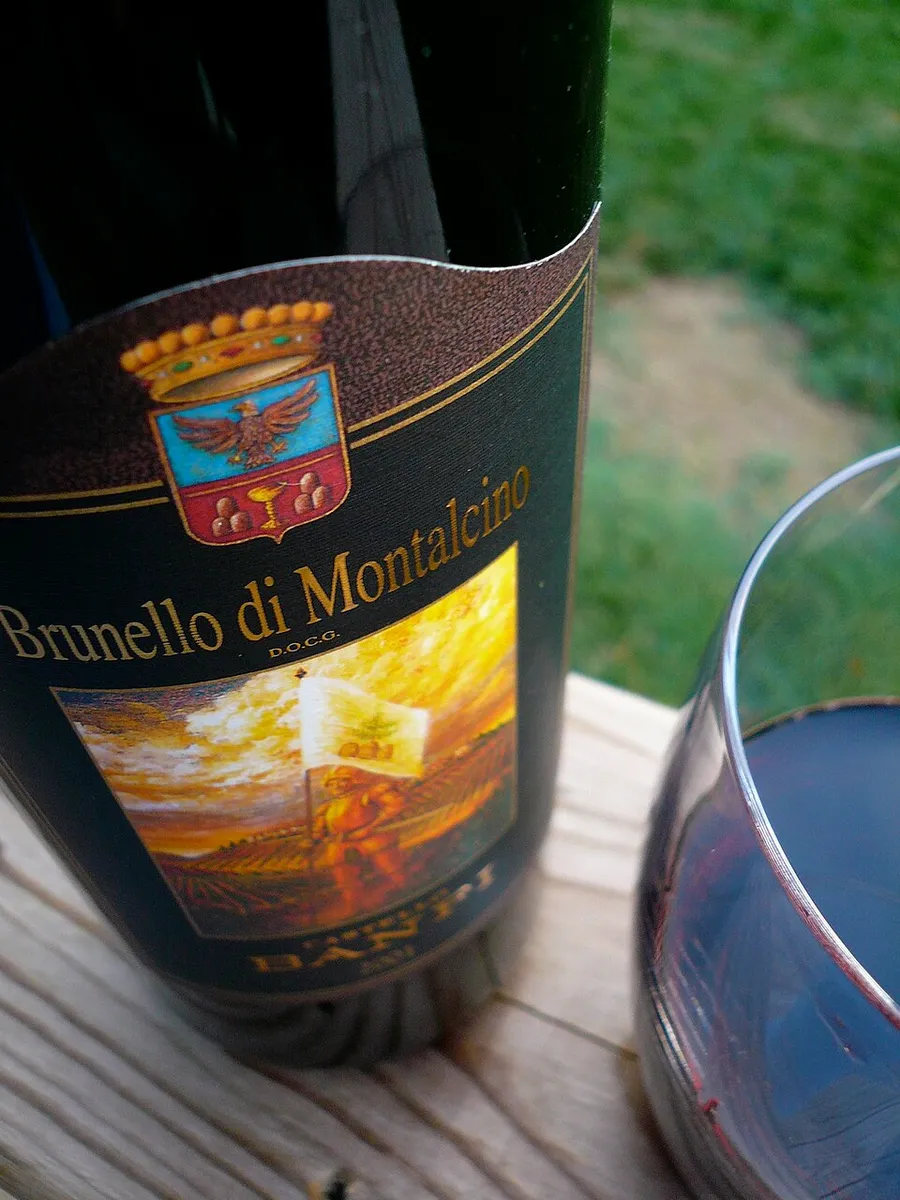
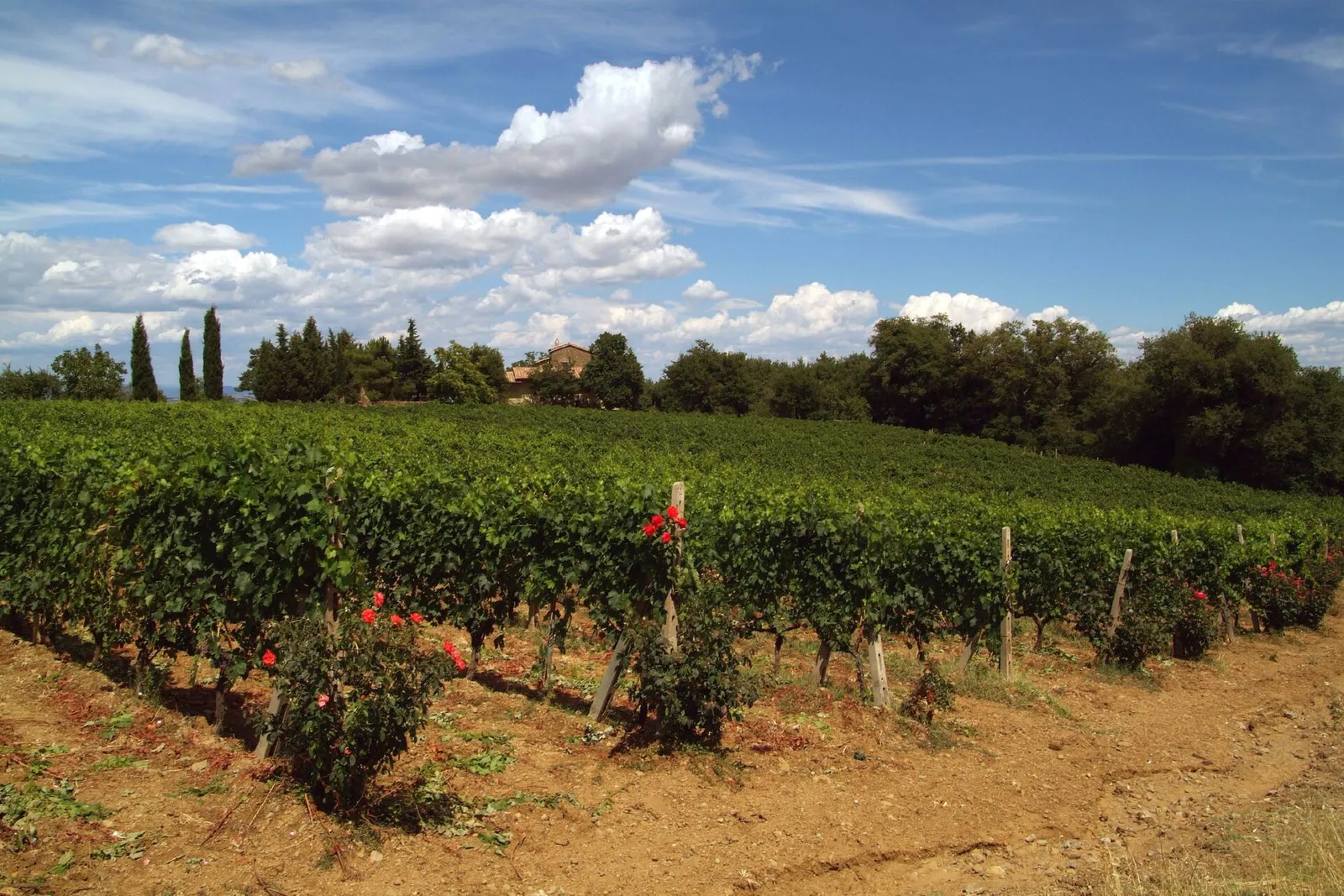
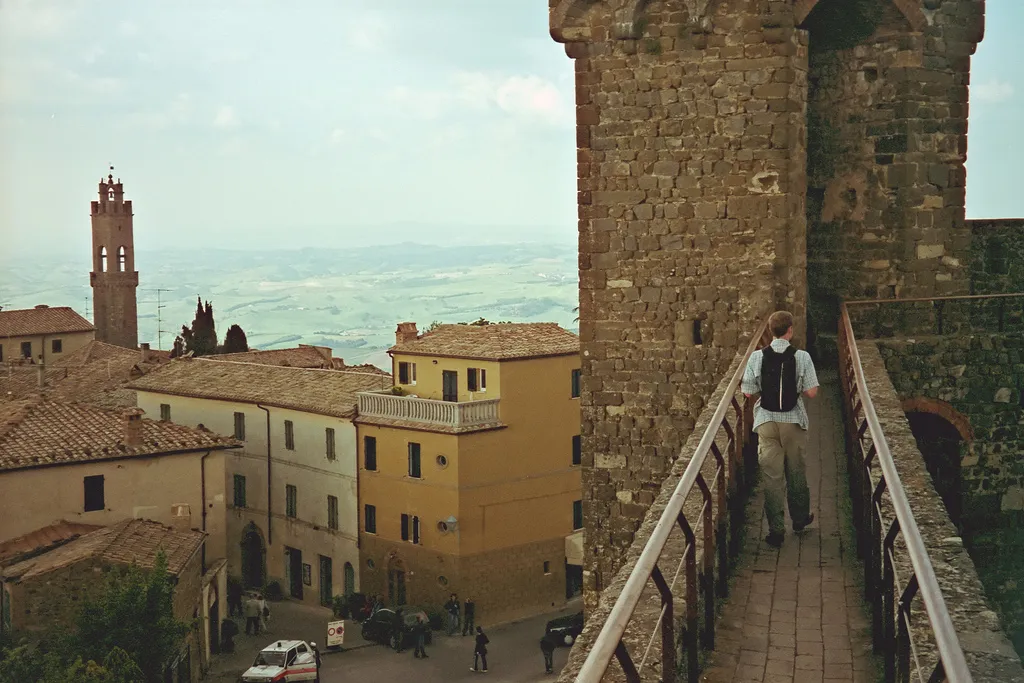
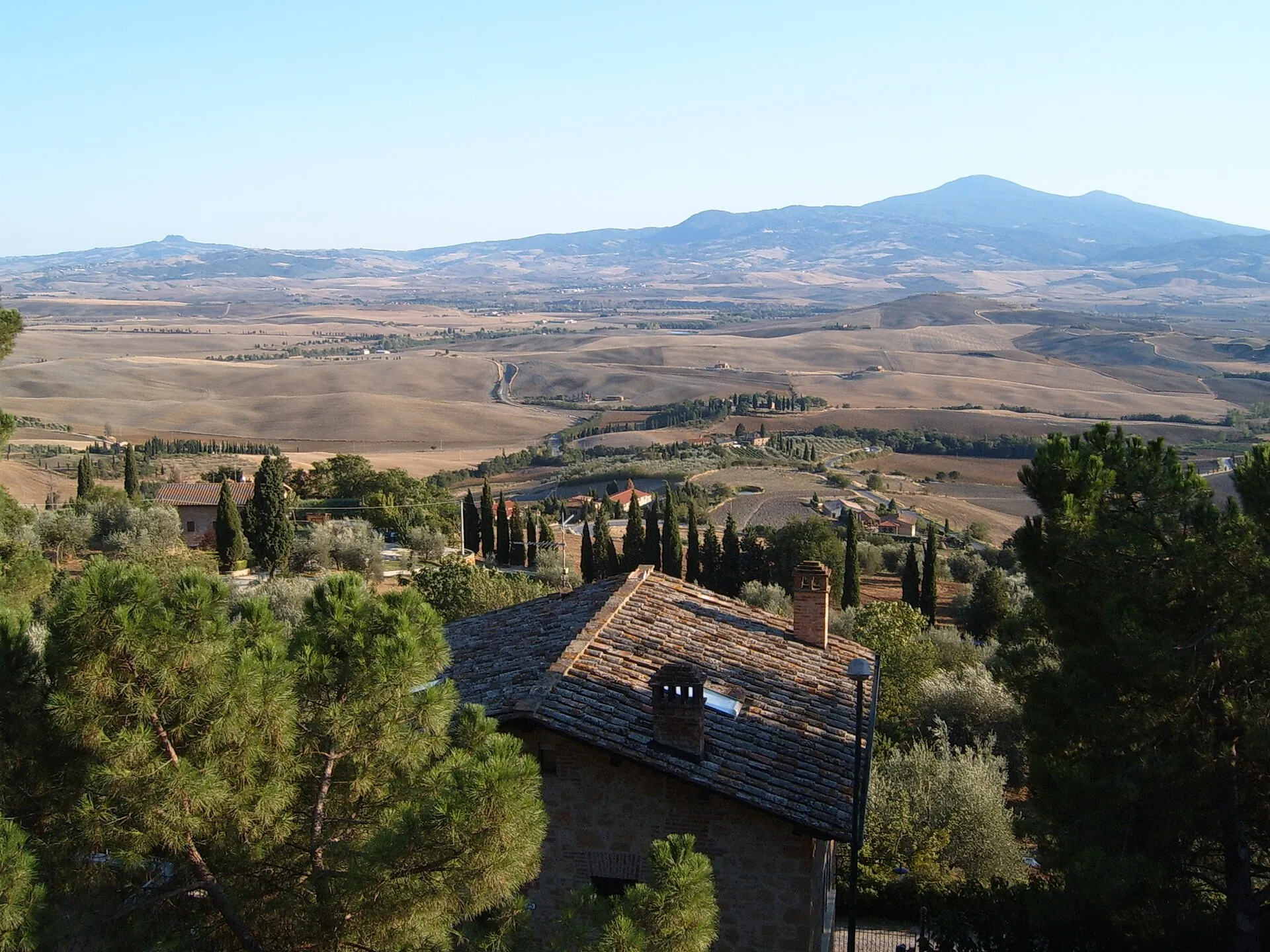
Where is Brunello di Montalcino produced?
Exclusively within the administrative territory of Montalcino, in the province of Siena, according to the DOCG boundaries and production rules.
Which grape is used for Brunello?
Only Sangiovese, traditionally known as “Brunello” in Montalcino.
How much does a good bottle cost?
As of 31 July 2026, many 750 ml retail bottles cost approximately €35–80. Vintage, producer and seller all affect price.
Why are some Brunello wines so expensive?
Grape selection, yields, long ageing, rarity, vineyard, reputation, vintage, storage and collector demand all influence price.
What is the difference between Brunello and Rosso di Montalcino?
Both use Sangiovese from Montalcino, but Rosso is released earlier and is generally younger and more accessible. Brunello requires at least two years in oak and reaches the market in its fifth year.
What does Riserva mean?
It is Brunello meeting Riserva requirements, released in the sixth year after harvest with at least six months of bottle ageing.
Which are the best vintages?
Frequently praised modern vintages include 2010, 2015, 2016 and 2019, but quality should still be assessed producer by producer.
How long can Brunello age?
The best bottles can develop for decades under good storage. Producer, vintage and storage conditions are decisive.
At what temperature should it be served?
Approximately 18–20 °C in large glasses. Avoid serving it too warm.
What food pairs with Brunello?
Red meat, game, braised meat, roasts and mature cheeses are classic pairings.
Can you visit Brunello wineries?
Yes. Many estates welcome visitors, usually by reservation. Confirm language, duration, price and accessibility directly.
How much does a tasting cost?
Verified experiences begin at about €35–40 and reach €60 or more; lunch, older vintages and private visits may exceed €100.
Can Montalcino be visited in one day?
Yes. Spend the morning in the old town, visit one booked winery in the afternoon and allow enough time for the drive.
How do you reach Montalcino from Perla Toscana?
Drive via the A1 and Val d’Orcia roads. Allow approximately 1 hour 40–55 minutes each way and check current navigation.